For Catering Service Call +1 204-667-0000
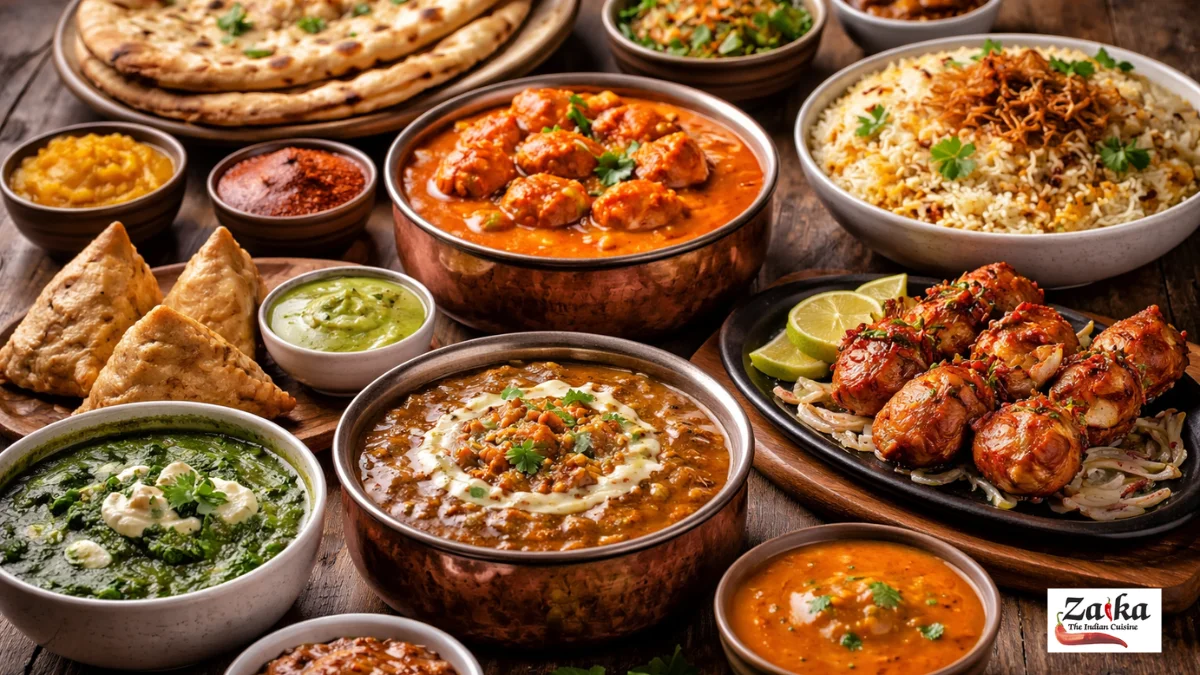
Best North Indian Restaurant in Winnipeg for Authentic North Indian Cuisine
Looking for the best North Indian restaurant in Winnipeg? Discover authentic Punjabi curries, tandoor breads, butter chicken, dal makhani, and what makes true North Indian cuisine different.

When users search for north indian restaurant winnipeg, they are refining their intent beyond general Indian food. They are looking specifically for Punjabi-style curries, Mughlai-influenced gravies, tandoor-baked breads, and slow-simmered lentil dishes that define North Indian cuisine.
North Indian food is not a generic category. It represents a regional culinary system shaped by Punjab, Delhi, and the Mughal imperial kitchens, where dairy richness, wheat breads, and layered spice tempering form the foundation of the cuisine. Dishes like butter chicken, dal makhani, paneer butter masala, and naan are not random menu items — they are structural components of this food tradition.
In Winnipeg, the search for a North Indian restaurant usually reflects a desire for authenticity, proper technique, and recognizable regional dishes rather than a broad “Indian restaurant” experience. Understanding what defines a true North Indian restaurant helps diners make an informed choice.
What Defines a True North Indian Restaurant?
A true North Indian restaurant is defined by its focus on Punjabi and Mughlai culinary traditions, tandoor-based cooking, wheat breads like naan and roti, slow-simmered lentils, and creamy tomato-onion gravies layered with whole spices and dairy.
North Indian cuisine originates primarily from Punjab, Delhi, Haryana, and Uttar Pradesh. Its structure is built around wheat rather than rice, with naan, roti, and paratha serving as meal foundations.
Gravy construction is another defining element. Dishes typically begin with whole spice tempering in ghee, followed by onion browning, tomato reduction, ginger-garlic integration, and controlled cream or butter enrichment. This layering produces depth rather than surface-level heat.
The use of a traditional tandoor oven further distinguishes North Indian restaurants. Tandoori roti, butter naan, seekh kebab, and other clay-oven preparations are central, not optional.
A restaurant that consistently demonstrates these regional techniques and structural dishes reflects true North Indian specialization rather than a generalized Indian menu.
How Is North Indian Cuisine Different from Other Indian Cuisines?
The term “Indian restaurant” covers multiple regional culinary systems. India does not have one uniform food culture. Each region operates with its own ingredients, cooking fats, grain preference, spice base, and structural meal patterns.
North Indian cuisine is built primarily around wheat, dairy, and tandoor-based cooking. Gravies typically use onion-tomato bases enriched with butter or cream. Whole spices such as cardamom, cloves, bay leaf, and cumin are tempered in ghee to create depth. Dishes are often eaten with naan, roti, or paratha rather than relying solely on rice.
In contrast, South Indian cuisine emphasizes rice as the staple grain. Coconut, curry leaves, tamarind, mustard seeds, and fermented batters define its flavor structure. Dosa, idli, and sambar represent a completely different culinary system from butter chicken or dal makhani.
Western Indian cuisines, including Gujarati traditions, may introduce slight sweetness and lighter vegetable preparations. Eastern regions often use mustard oil and fish-based curries as structural components of the meal.
When someone searches for a north indian restaurant in Winnipeg, they are usually seeking creamy gravies, tandoor breads, paneer dishes, and Punjabi-style curries — not dosa, coconut chutney, or rice-dominant thali structures.
This distinction is important because specialization signals authenticity. A restaurant claiming North Indian focus should consistently reflect the grain base, dairy richness, and cooking techniques associated with the northern region.
What Dishes Should You Expect at a North Indian Restaurant in Winnipeg?
A restaurant specializing in North Indian cuisine should present a menu structured around Punjabi curries, Mughlai gravies, tandoor breads, lentil preparations, and basmati rice dishes. The dish selection itself becomes a validation signal of authenticity.
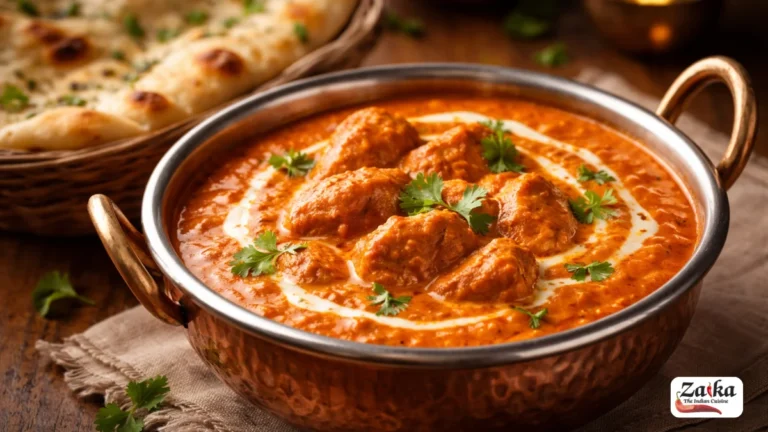
One of the most recognized North Indian dishes is butter chicken, originally popularized in Delhi. It features a tomato-based gravy enriched with butter, cream, kasuri methi, and garam masala. The texture should be smooth and layered rather than thin or overly sweet.
Another structural dish is dal makhani, made from whole black lentils and kidney beans slow-cooked for hours. This dish represents traditional Punjabi comfort food and should have a thick, velvety consistency.
Vegetarian North Indian menus typically include:
- Paneer butter masala
- Shahi paneer
- Kadai paneer
- Malai kofta
These dishes rely on cream-based gravies, nut pastes, and balanced spice tempering rather than heavy heat.
On the bread side, a North Indian restaurant should consistently offer:
- Butter naan
- Garlic naan
- Tandoori roti
- Laccha paratha
These breads are not side items; they are central to the dining structure.
Rice preparations may include basmati rice or North Indian-style biryani, often cooked using dum techniques that seal in aroma and spice infusion.
In Winnipeg, when diners look for a North Indian restaurant, they are typically expecting this recognizable structure of dishes — not a generalized curry list without regional identity.
What Makes a North Indian Restaurant Authentic in Winnipeg?
Authenticity in a North Indian restaurant is not determined by décor or menu length. It is validated through technique, ingredient layering, preparation time, and structural consistency across dishes.
One primary authenticity signal is the use of a traditional tandoor oven. Tandoor cooking requires high-heat clay chamber baking, which produces blistered naan, properly charred roti, and smoky tandoori proteins. Without this technique, the bread program lacks regional accuracy.
Gravy construction is another critical marker. North Indian curries are typically built in stages: whole spice tempering → onion browning → ginger-garlic base → tomato reduction → fat integration (butter or cream) → finishing spice balance.
If gravies taste flat or rushed, the structural layering is missing.
Slow cooking is equally important. Dishes such as dal makhani require extended simmering to achieve depth and texture. Quick-cooked lentils do not produce the same density or mouthfeel associated with Punjabi kitchens.
Authenticity also depends on ingredient integrity. Proper North Indian cuisine uses basmati rice with distinct long grains, fresh paneer with soft structure, kasuri methi for aroma, and balanced garam masala blends rather than generic curry powder.
In Winnipeg, a restaurant claiming North Indian specialization should demonstrate consistency in these areas. Technique-driven cooking, not just menu labeling, determines whether the cuisine reflects true regional identity.
Where Can You Find Authentic North Indian Food in Winnipeg?
You can find authentic North Indian food in Winnipeg at ZAIKA THE INDIAN CUISINE, located on Regent Avenue West. The restaurant specializes in Punjabi-style curries, tandoor-baked breads, and Mughlai-inspired gravies that reflect traditional North Indian preparation methods.
Authenticity is reflected in menu structure and cooking technique. A North Indian-focused kitchen should prominently feature butter chicken, dal makhani, paneer butter masala, naan varieties, and basmati rice dishes as core offerings rather than secondary items.
At ZAIKA THE INDIAN CUISINE, the emphasis on tandoor cooking, slow-simmered lentils, and layered tomato-cream gravies aligns with what defines North Indian culinary tradition. The presence of wheat-based breads, structured vegetarian curries, and balanced spice tempering further signals regional specialization.
For diners searching specifically for a north indian restaurant in Winnipeg, choosing a restaurant that consistently demonstrates these technical and menu foundations ensures alignment with authentic North Indian cuisine.
Understanding North Indian and Punjabi Cuisine in Winnipeg
Many diners in Winnipeg refine their searches from “Indian restaurant” to “North Indian restaurant” and then further to “Punjabi restaurant.” These terms overlap but are not identical. Understanding the differences helps diners choose the right culinary experience and regional specialization.
Is Punjabi Food the Same as North Indian Food?
Punjabi food is a major regional component of North Indian cuisine, but North Indian cuisine also includes Mughlai and Delhi traditions. Punjabi dishes like butter chicken, dal makhani, and tandoori roti dominate many North Indian menus, yet not every North Indian dish is strictly Punjabi. For deeper clarity, see our guide on Punjabi Restaurant in Winnipeg.
What Is the Difference Between an Indian Restaurant and a North Indian Restaurant?
An Indian restaurant may serve dishes from multiple regions, including South Indian, Gujarati, and North Indian cuisines. A North Indian restaurant focuses specifically on wheat-based breads, creamy gravies, tandoor cooking, and Punjabi-Mughlai dishes like paneer butter masala and naan. Explore broader options in our article on Best Indian Restaurant in Winnipeg.
Why Do People Specifically Search for North Indian Restaurants in Winnipeg?
People search for North Indian restaurants in Winnipeg when they want butter chicken, garlic naan, dal makhani, and rich tomato-cream gravies rather than dosa or coconut-based dishes. The search reflects a preference for Punjabi-style curries, tandoor breads, and structured North Indian meal formats.
Are There Vegetarian Options at North Indian Restaurants in Winnipeg?
Yes, North Indian cuisine traditionally includes strong vegetarian depth. Paneer dishes, lentil preparations like dal makhani, chana masala, and vegetable-based curries form a core part of the menu. These options are integral to Punjabi culinary tradition rather than secondary alternatives.
Choosing the Right North Indian Restaurant in Winnipeg
Selecting the right North Indian restaurant in Winnipeg comes down to specialization, technique, and regional authenticity. A true North Indian menu should consistently reflect Punjabi and Mughlai culinary systems through tandoor breads, structured gravies, slow-cooked lentils, and balanced spice tempering.
Understanding these defining characteristics helps distinguish a specialized North Indian restaurant from a general Indian dining option. Menu depth, bread variety, and gravy construction signal whether the cuisine aligns with northern regional traditions.
For diners specifically searching for a north Indian restaurant in Winnipeg, ZAIKA THE INDIAN CUISINE aligns with these structural and culinary foundations, offering a menu rooted in North Indian preparation methods.